Post 1/9 — reflections on scientific writing, clarity, and communication
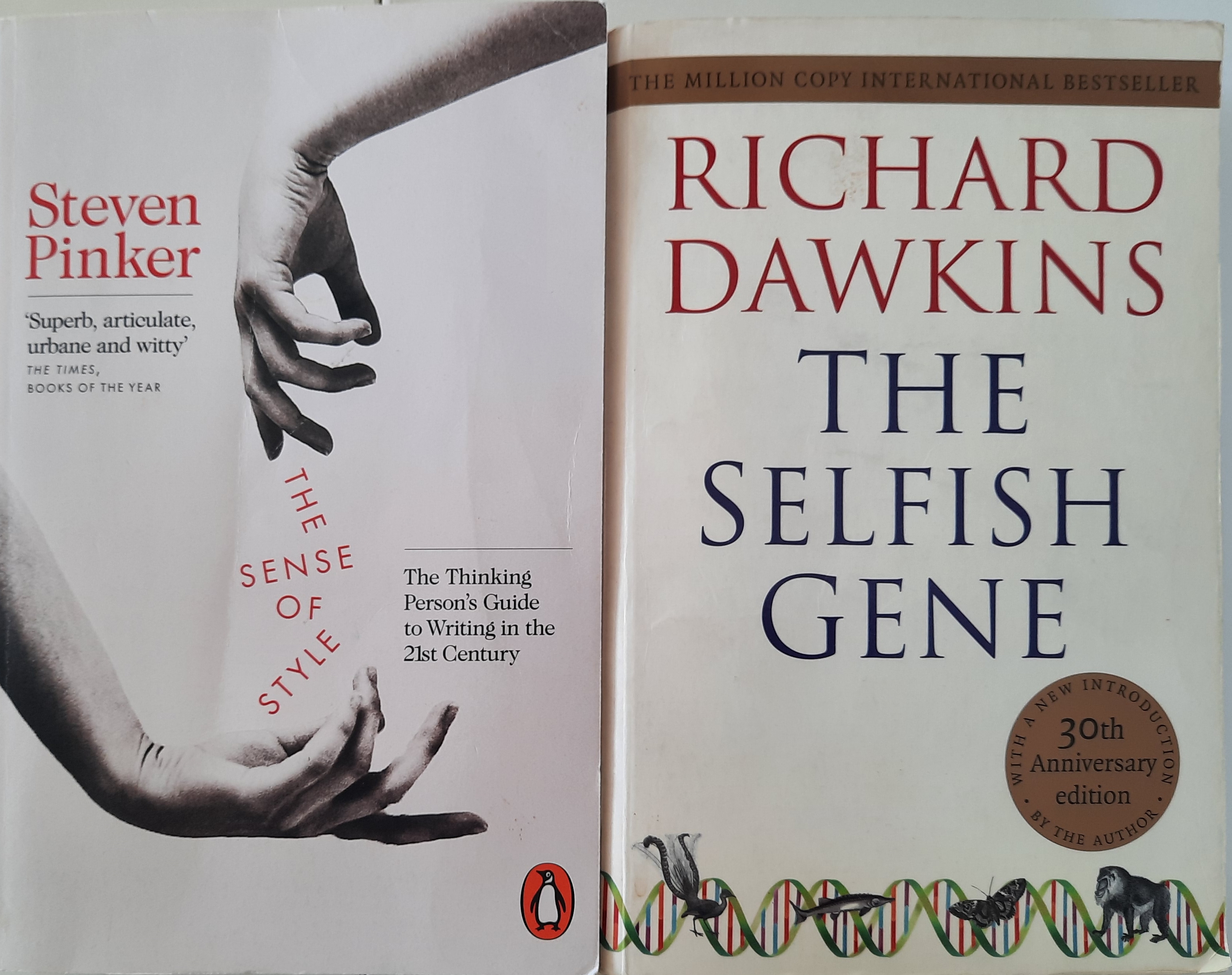
When I was sixteen, I read The Selfish Gene by Richard Dawkins.
I don’t remember all the details of the book. But I remember the feeling. It was the first time I encountered scientific ideas that felt clear. Not simple — but understandable. It felt as if something complex had been carefully laid out in front of me so that I could actually see it.
Looking back, I think that experience played a small role in why I decided to pursue a career in science.
Years later, as a researcher, I noticed something that puzzled me.
Much of the scientific writing I encountered did not feel like that at all. Even in areas where I was familiar with the subject, I often had to reread sentences several times. Not because the ideas were necessarily too difficult, but because the writing made them hard to grasp.
This made me wonder:
What is it that makes some writing feel clear, while other writing feels difficult?
During this time, I came across Steven Pinker’s book The Sense of Style, which articulates many aspects of good writing with remarkable clarity. One idea in particular stayed with me.
Good writing is not about sounding smart.
It is about making the reader feel smart.
When writing is clear, the reader experiences the idea as if they are seeing it unfold. When writing is unclear, the reader feels lost — even if the underlying idea is relatively simple.
Since then, I have tried (with varying success) to apply this principle in my own writing. Along the way, I have collected a number of small reflections that have helped me think more clearly about how to write.
In the coming weeks, I will share some of these reflections here. They are not rules, nor advice, but rather things I have personally found useful in my own work as a researcher.
Perhaps they might be useful to someone else as well.
 Johannes G. Borgqvist, PhD
Leave a comment