In 2024, I had the privilege of attending the Heidelberg Laureate Forum (HLF), an experience that left a lasting impression on me.
The forum brings together young researchers in mathematics and computer science with recipients of some of the most prestigious prizes in the field — including the Abel Prize, the Fields Medal, and the Turing Award, often regarded as the highest honours in these fields, often considered the closest equivalents to the Nobel Prize.
What makes the HLF particularly unique is that this is not a single ceremony, but an entire week of lectures, workshops, discussions, and social events. As a young researcher, you get the rare opportunity to interact directly with laureates, as well as with other early-career scientists from around the world.
One thing that particularly struck me throughout the week was a recurring theme in many of the laureates’ talks. Despite their extraordinary achievements, their advice was often surprisingly simple: work on what you find genuinely interesting. This resonated strongly with me, as much of my own path in research has been guided by curiosity and a sense of enjoyment in the problems I choose to pursue.
For me, one of the most valuable aspects of the forum was the opportunity to interact with researchers from a wide range of backgrounds. Coming from mathematical biology, I found it especially inspiring to see how ideas from different areas of mathematics and computation can intersect and inform one another.
The experience extended well beyond the lectures. The forum included formal dinners, social events, and discussions that continued late into the evenings, often in the presence of laureates and distinguished guests, including representatives from the German government. Being part of these settings was both surreal and inspiring, offering a rare glimpse into the broader scientific community and its traditions.
Looking back, attending HLF was both motivating and grounding. It reinforced my interest in working at the interface between theory and applications, and it gave me a broader perspective on how my own research fits into the wider scientific landscape.
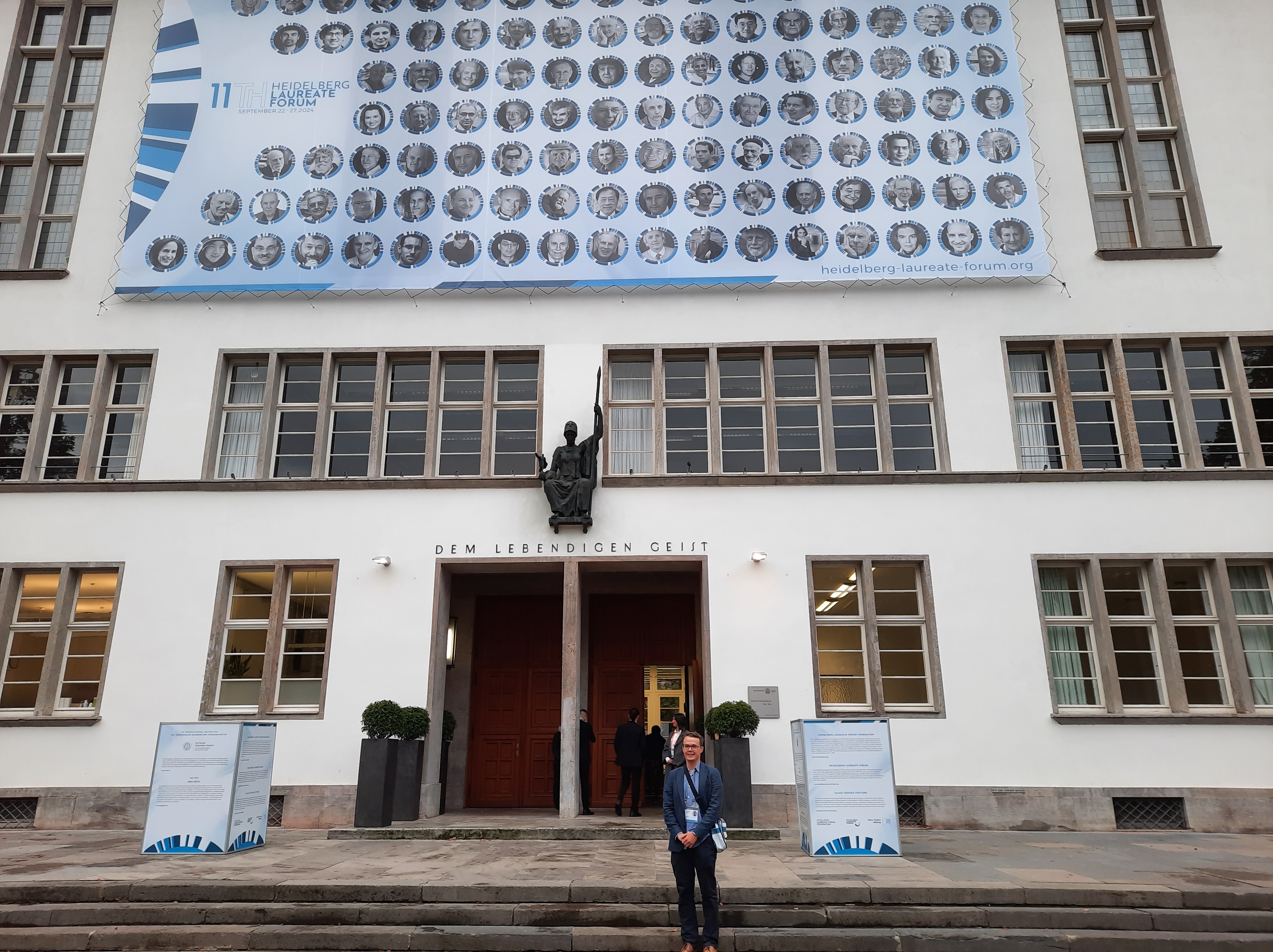
 Johannes G. Borgqvist, PhD
Leave a comment